The City of Anápolis (Goiás state, Brazil) announced on 5 October 2026 that it has started the Wolbachia method, with a launch at the Municipal Theatre attended by representatives of Brazil’s Ministry of Health, Fiocruz, Wolbito do Brasil and the Goiás state government. More than 5,000 sites have been mapped for containers holding eggs of Wolbachia-carrying Aedes aegypti.
Main points
- The city uses the egg-release device (DLO): instead of releasing adult mosquitoes in the streets, staff place containers with Wolbachia Aedes aegypti eggs at chosen sites; the eggs hatch, the mosquitoes develop naturally inside and then fly out to mate with local mosquitoes.
- Wolbachia passes to new generations of mosquitoes and hinders the development of dengue, Zika and chikungunya viruses inside the mosquito. The release says the mosquitoes are not genetically modified and the method uses no chemicals.
- Preparation before placing the devices: training staff, informing residents, choosing sites and installing traps to monitor Aedes aegypti numbers. After launch, monitoring will check Wolbachia presence in the mosquito population to assess results.
- The city stresses that residents must still remove breeding sites: empty containers holding water, keep water tanks closed, and clean gutters and yards.
VPMA’s note
A municipal programme in Brazil. A point for members: biological methods still go together with environmental clean-up and larval control. It does not imply that this method is used or permitted in Vietnam.
- Source
- Prefeitura de Anápolis – Anápolis inicia a liberação dos Wolbitos, do Método Wolbachia
- Published
- 5 October 2026
- Section
- New approaches to insect control
- Release sites
- more than 5,000
- Also reported by
- Jornal Opção, 5 October 2026
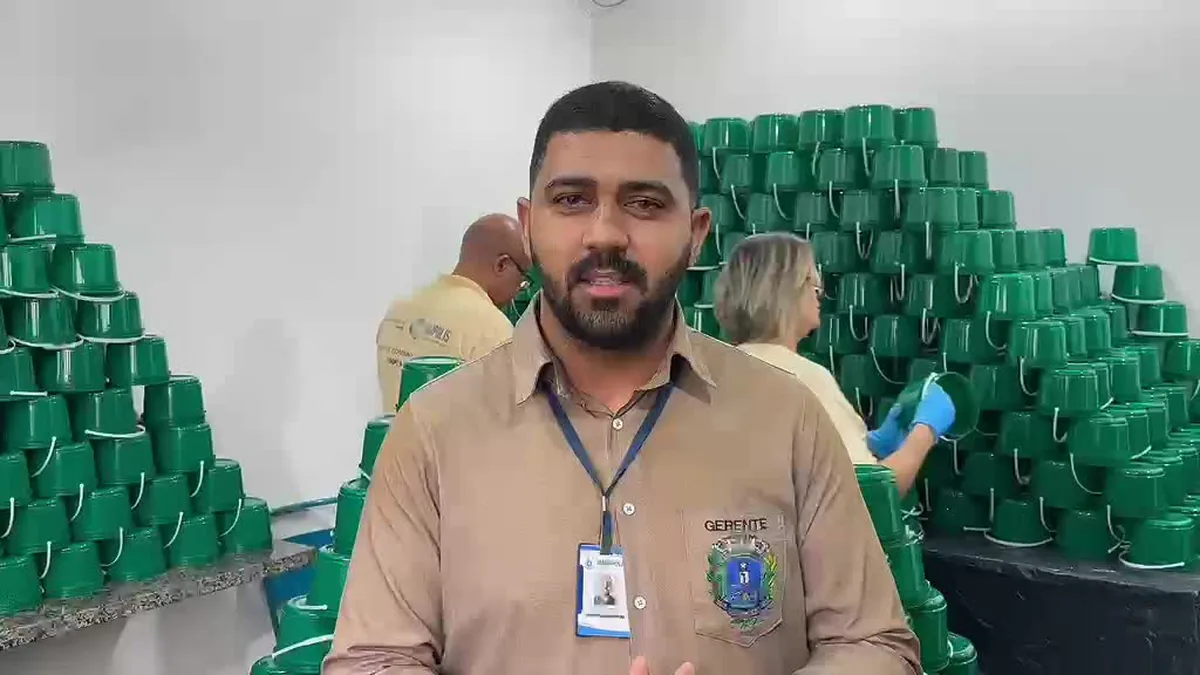
Editorial note: This is a short summary and comment by VPMA, not a full copy. The original text and copyright belong to the source cited. Picture: a frame from the video with the Jornal Opção article of 5 October 2026 (stacked egg-release containers and Anápolis health staff); the picture on the city’s page could not be downloaded.
Source: Prefeitura de Anápolis – Anápolis inicia a liberação dos Wolbitos, do Método Wolbachia (summarised in English by VPMA). Read the Vietnamese page.