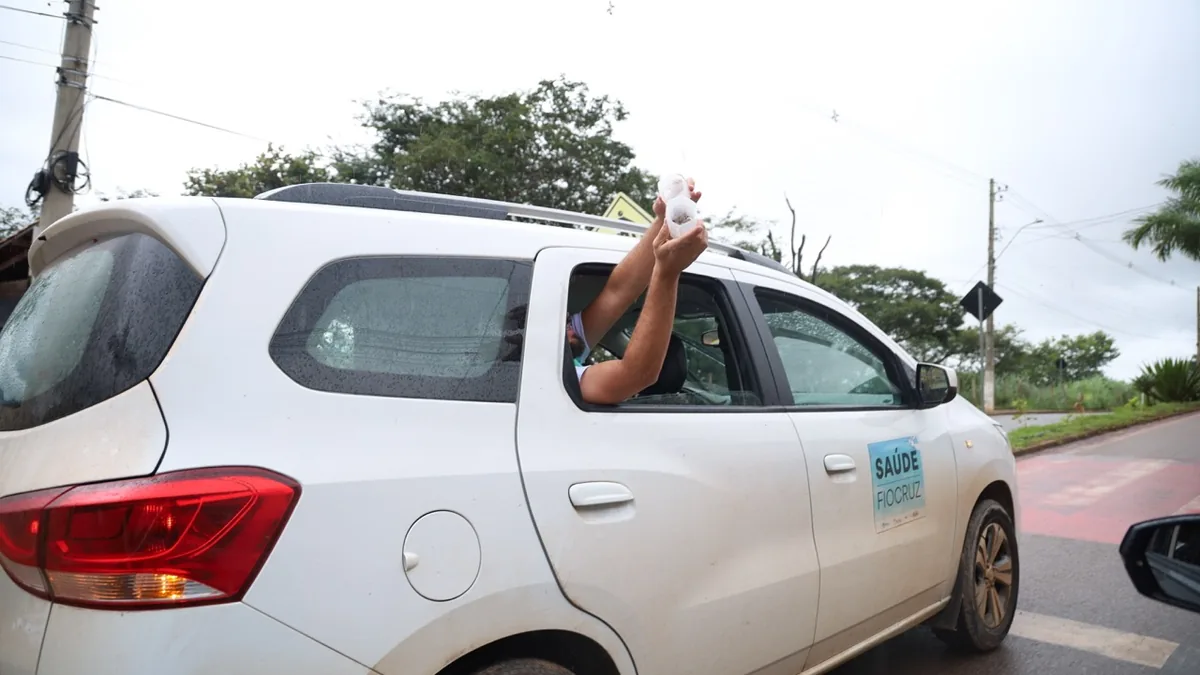
The World Mosquito Program reported on 16 April 2026 that a five-year project in the Paraopeba River Basin (Minas Gerais) began releases in Brumadinho — the first of 22 planned municipalities. The project aims to protect more than 1.1 million people over about 350 km²; a Wolbachia biofactory in Belo Horizonte (Gameleira) is expected to produce about two million mosquitoes a week with Fiocruz and the state health secretariat.
Main points
- Context: the Córrego do Feijão dam failed on 25 January 2019, releasing 11.7 million m³ of mining waste and killing 272 people; a healthcare reparations agreement exceeds R$760 million for affected municipalities.
- Partners: Minas Gerais state health secretariat, Fiocruz and WMP Brasil. State secretary Fábio Baccheretti and municipal secretary Cintia Pedrosa are quoted on reducing the arbovirus burden.
- WMP says the Wolbachia method already protects more than six million people in 29 Brazilian cities, with further deployments elsewhere. A touring exhibition on the method opened in Brumadinho until 10 April, then visits participating cities.
- The article does not publish a post-release case-reduction rate for Brumadinho; it emphasises project launch and the link to reparations.
VPMA’s note
This is a programme in Brazil. It does not infer that Vietnam is deploying the same model.
- Source
- World Mosquito Program
- Published
- 16 April 2026
- Section
- New approaches to insect control
Editorial note: This is a short summary and comment by VPMA, not a full copy. The original text and copyright belong to the source cited. Picture of a mosquito release in the World Mosquito Program article (Brumadinho, Fiocruz).
Source: World Mosquito Program (summarised in English by VPMA). Read the Vietnamese page.