The World Mosquito Program reported on 11 August 2026 that releases in Dili covered the entire urban population, about 240,000 people over about 20 km², with the Ministry of Health, Action on Poverty and the Menzies School of Health Research, supported by the Australian Government (ANCP) and the Macquarie Group Foundation.
Main points
- The project concluded earlier in the year, the article says; long-term monitoring continues. By the end of March (of the year named in the article), Timor-Leste had recorded more than 3,500 dengue cases and over 20 deaths.
- Prof. Nelson Martins (senior technical adviser) said partners saw the Wolbachia method as suitable for long-term protection with an effective budget. Dr Heitor da Costa Pereira (National Directorate for Disease Prevention and Control, Ministry of Health) stressed community engagement and patience because results are not instant.
- The article notes 15 years of WMP deployment in 16 countries. Timor-Leste is described as an example of a ministry leading, technical partners supporting, and community leaders carrying messages on the ground.
- The article does not give a post-release case reduction; it says trends are being monitored.
VPMA’s note
This is a programme in Timor-Leste. Members should read it as one way a ministry of health covered a capital with a Wolbachia tool alongside community communication. It is not a plan for Vietnam.
- Source
- World Mosquito Program
- Published
- 11 August 2026
- Section
- New approaches to insect control
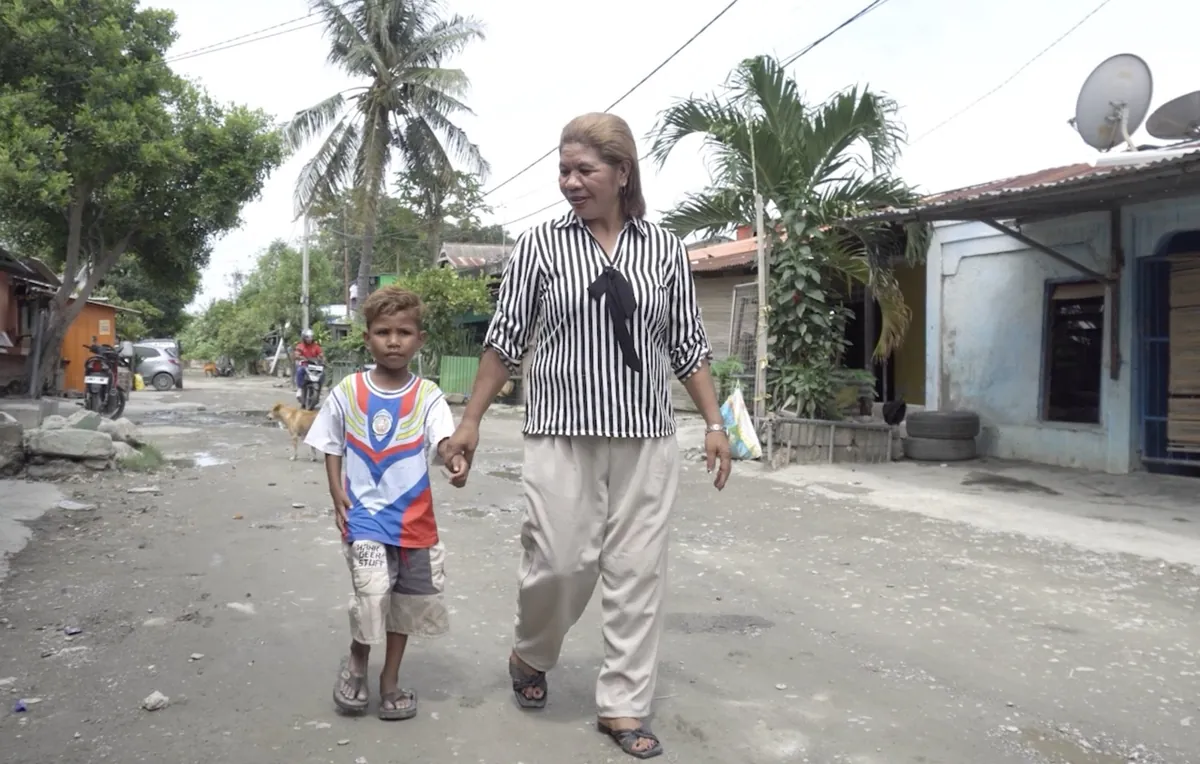
Editorial note: This is a short summary and comment by VPMA, not a full copy. The original text and copyright belong to the source cited. The illustration is symbolic and is not a photograph of the event.
Source: World Mosquito Program (summarised in English by VPMA). Read the Vietnamese page.