On 1 October 2026 PAHO reported that Member States approved a regional framework to strengthen surveillance, prevention, preparedness and an integrated response to dengue and other arboviral diseases over the next decade, at the 63rd Directing Council.
Main points
- Washington, D.C., 1 October 2026 (PAHO): the text was adopted at the 63rd Directing Council to address a more complex epidemiological picture — larger outbreaks, several arboviruses circulating together, and a wider geographic range for vectors.
- PAHO recalls a decade of more frequent epidemics. In 2024 the Region of the Americas recorded more than 13 million dengue cases and over 8,400 deaths — the largest epidemic in the figures cited. Recent years also saw major chikungunya outbreaks, Oropouche beyond traditional areas, and more yellow fever in new locations.
- Four priorities: integrated arboviral disease management; stronger epidemiological, entomological and virological surveillance; better early detection, diagnosis and clinical care; and more sustainable integrated vector management, including Wolbachia mosquitoes and irradiated mosquitoes. PAHO Director Jarbas Barbosa and Sylvain Aldighieri are quoted.
- Technical work follows EGI-Arbovirus 2026–2035. Progress reports are planned for 2031 and 2036. PAHO will provide technical cooperation to countries and territories in the Region.
VPMA’s note
This is a regional strategy for the Americas published by PAHO. It is not a plan for Vietnam. Members may read it for the international direction on surveillance and vector tools.
- Source
- PAHO/WHO
- Published
- 1 October 2026
- Section
- International news
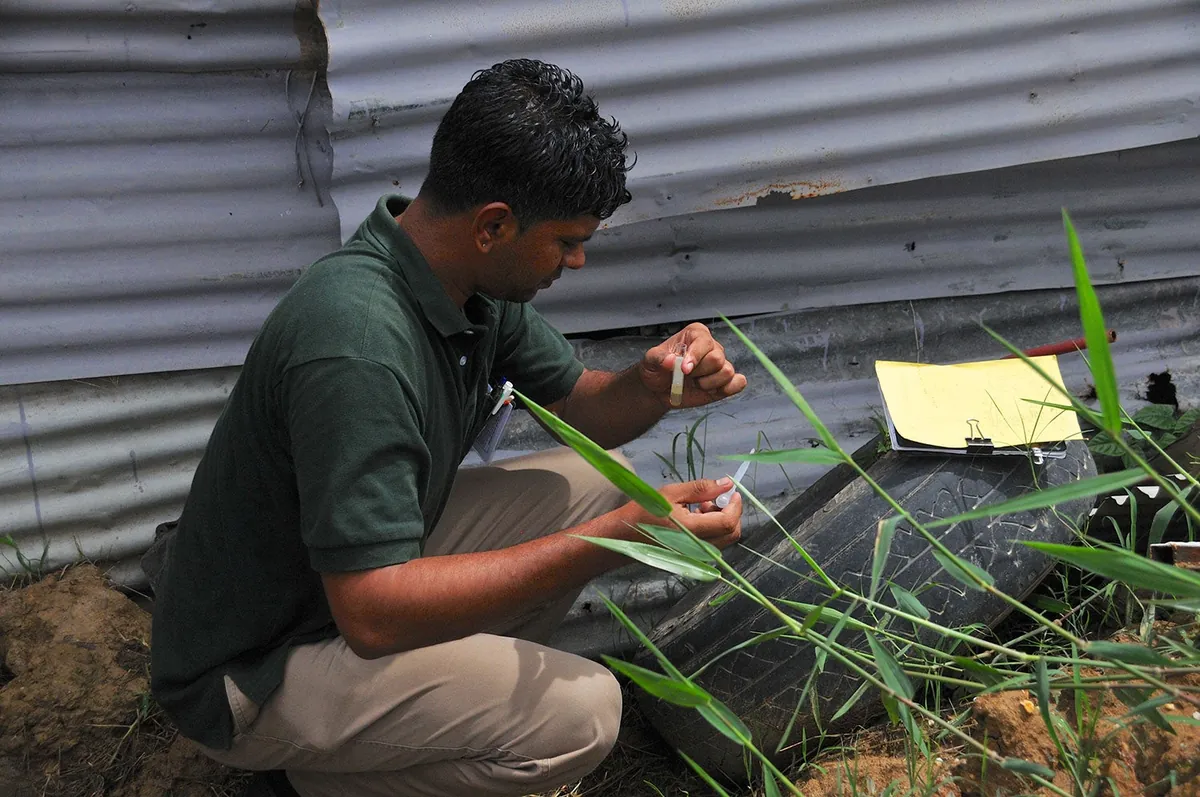
Editorial note: This is a short summary and comment by VPMA, not a full copy. The original text and copyright belong to the source cited. The illustration is symbolic and is not a photograph of the event.
Source: PAHO/WHO (summarised in English by VPMA). Read the Vietnamese page.